
Most businesses believe that once customers remember their brand, the hard work is done.
It isn’t.
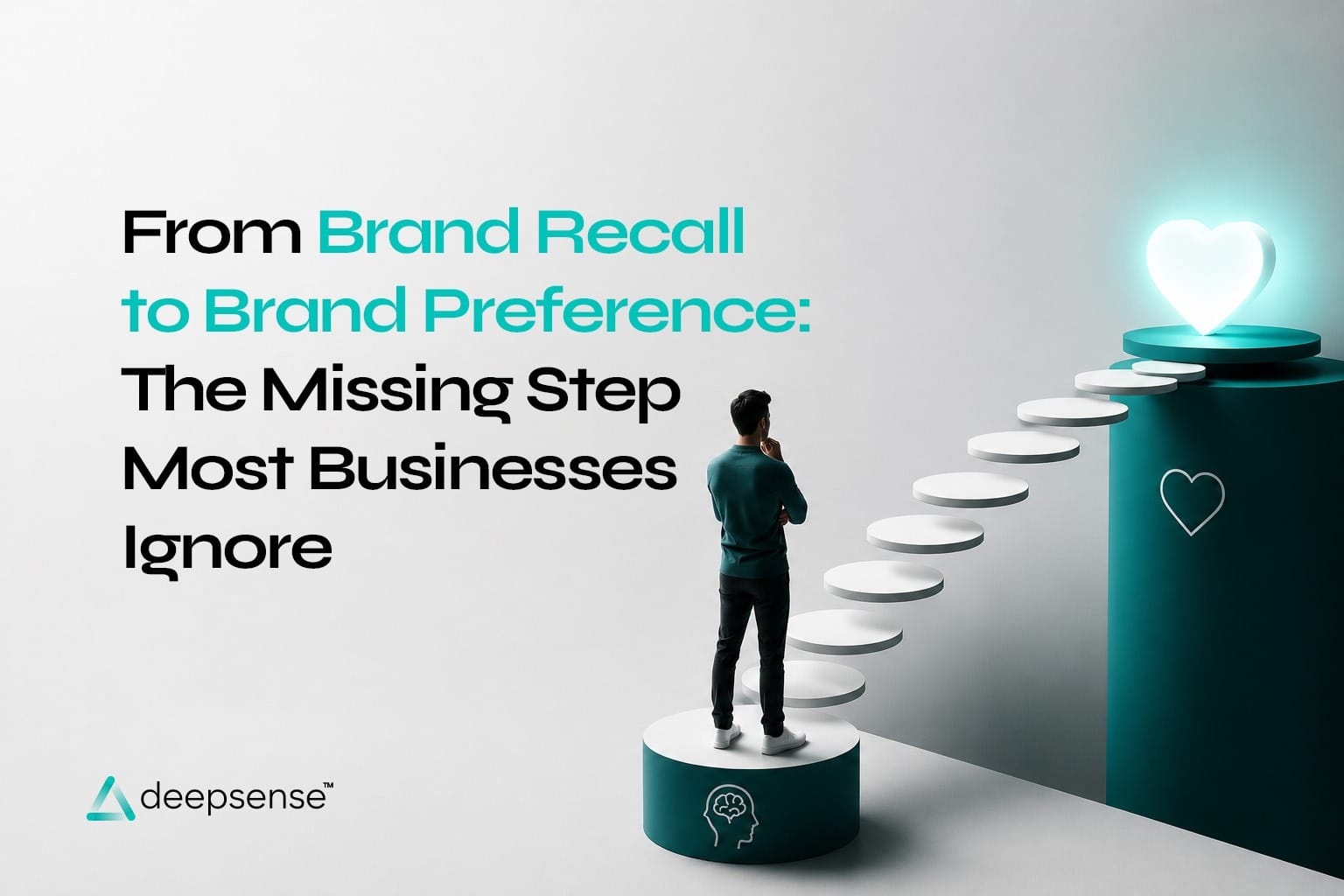
Because being remembered and being chosen are two completely different things.
A customer may know:
- your brand name,
- your logo,
- your content,
- your products,
and still buy from a competitor.
Why?
Because brand recall creates awareness.
But brand preference creates selection.
And that gap between being remembered and being preferred is where many businesses lose customers without realizing it.
In 2026, the brands growing fastest are not just the ones people recognize. They are the ones people actively prefer when it’s time to make a purchase.
Understanding the Difference Between Recall and Preference
Many marketers focus heavily on visibility and awareness.
They invest in:
- social media,
- SEO,
- paid ads,
- influencer campaigns,
- content marketing.
As a result, customers start recognizing the brand.
That’s brand recall.
But recognition alone doesn’t guarantee revenue.
When the customer reaches the buying stage, they ask:
- Which brand do I trust more?
- Which brand feels more reliable?
- Which brand understands me better?
- Which brand gives me confidence?
The answer to those questions determines customer brand preference.
Brand Recall vs Brand Preference
Let’s simplify the difference.
Brand Recall
Customers remember your brand when thinking about a category.
Example:
Someone thinking about food delivery remembers multiple apps.
Brand Preference
Customers choose one specific brand over alternatives.
Example:
Out of all remembered options, one app becomes the preferred choice.
This is the key distinction between brand recall vs brand preference.
Recall gets you into the consideration set.
Preference helps you win.
Why Most Businesses Stop Too Early
Many businesses celebrate:
- follower growth,
- reach,
- impressions,
- awareness campaigns.
Those metrics matter.
But awareness alone does not build market leadership.
Customers rarely buy simply because they recognize a brand.
They buy because they perceive a reason to choose it.
And that’s where preference becomes critical.
The Consumer Decision-Making Process
Modern buying decisions happen in stages.
Stage 1: Awareness
“I know this brand exists.”
Stage 2: Recall
“I remember this brand.”
Stage 3: Evaluation
“Should I choose this brand?”
Stage 4: Preference
“I prefer this brand.”
Stage 5: Purchase
“I’ll buy from them.”
Stage 6: Loyalty
“I’ll buy again.”
Many businesses invest heavily in stages one and two while ignoring stages three and four.
That creates a growth ceiling.
Why Brand Preference Matters More Than Ever
Consumers today have endless choices.
Almost every category is crowded with:
- similar products,
- similar pricing,
- similar features,
- similar marketing messages.
When products become comparable, preference becomes the differentiator.
People often choose brands because of:
- trust,
- familiarity,
- perceived value,
- emotional connection,
- confidence.
Not necessarily because the product is objectively better.
The Psychology Behind Customer Choice
Humans rarely make decisions purely logically.
Most purchases are influenced by:
- emotions,
- perceptions,
- habits,
- previous experiences,
- social proof.
This is where customer choice psychology becomes important.
People buy from brands that make decision-making easier.
Trust reduces risk.
Preference reduces uncertainty.
The Biggest Drivers of Brand Preference
Let’s look at what actually creates preference.
1. Trust
Trust is often the strongest driver of preference.
Customers ask:
- Will this brand deliver?
- Can I rely on them?
- Will I get what I expect?
This is why a strong brand trust strategy directly influences buying decisions.
Brands that consistently keep promises earn preference over time.
2. Consistent Experiences
Customers remember experiences more than campaigns.
If every interaction feels:
- reliable,
- professional,
- positive,
the brand becomes easier to choose again.
Consistency reduces perceived risk.
3. Emotional Connection
People often prefer brands that align with:
- their identity,
- values,
- aspirations,
- lifestyle.
Emotional relevance creates stronger preference than product features alone.
This is why emotional branding remains powerful even in highly competitive markets.
4. Clear Positioning
Customers prefer brands they understand quickly.
Confusing brands struggle because consumers cannot clearly answer:
“What makes this brand different?”
Strong positioning creates stronger preference.
5. Social Proof
People trust other people.
Reviews, testimonials, case studies, and recommendations all influence preference significantly.
When customers see others choosing a brand, their confidence increases.
Why Features Alone Rarely Create Preference
Many businesses focus heavily on:
- product specifications,
- technical details,
- feature lists.
While these matter, they rarely create preference on their own.
Most customers compare brands emotionally first and rationally second.
A competitor with:
- stronger trust,
- better perception,
- better storytelling,
can often outperform a technically superior product.
How to Build Brand Preference
Now let’s look at practical ways to strengthen preference.
Create a Consistent Brand Experience
Every touchpoint should reinforce the same perception.
This includes:
- website experience,
- social media content,
- customer service,
- packaging,
- sales conversations.
Consistency strengthens confidence.
Communicate Benefits, Not Just Features
Customers care about outcomes.
Instead of saying:
“We offer advanced technology.”
Say:
“We help you save time and work more efficiently.”
Benefits influence preference more effectively.
Build Authority Through Content
Educational content helps customers see your brand as a trusted expert.
This strengthens:
- credibility,
- trust,
- perceived expertise.
Authority often becomes a deciding factor during evaluation.
Invest in Customer Success
The fastest way to build preference is to create successful customers.
Positive experiences generate:
- repeat purchases,
- referrals,
- advocacy.
And advocacy reinforces preference at scale.
Strengthen Emotional Associations
Ask yourself:
What feeling do customers associate with our brand?
Examples:
- confidence,
- simplicity,
- security,
- innovation,
- reliability.
Strong emotional associations increase preference dramatically.
The Relationship Between Preference and Loyalty
Brand preference often becomes the foundation of loyalty.
Customers who consistently prefer a brand are more likely to:
- return,
- recommend,
- defend the brand,
- spend more over time.
This supports a strong brand loyalty strategy.
Without preference, loyalty becomes difficult to achieve.
Why Brand Preference Is the Real Competitive Advantage
Competitors can copy:
- features,
- pricing,
- products,
- promotions.
But preference is harder to replicate.
Because preference exists inside the customer’s mind.
It is built through:
- trust,
- experiences,
- emotions,
- consistency.
And that makes it one of the most valuable assets a brand can develop.
The Future of Brand Preference in 2026
As AI-generated content and digital advertising continue to increase, customers will have even more choices than before.
This means:
- attention will be abundant,
- awareness will be easier to buy,
- visibility will become less differentiating.
Preference will become the true battleground.
Brands that create stronger trust and emotional relevance will gain a lasting advantage.
Final Takeaway
Getting customers to remember your brand is important.
But memory alone doesn’t drive growth.
The real goal is becoming the brand customers prefer when they are ready to act.
Because the path to sustainable growth is:
Awareness → Recall → Preference → Purchase → Loyalty
Many businesses stop at recall.
The smartest brands focus on preference.
They build:
trust
consistency
emotional connection
credibility
positive experiences
Because in the end, customers don’t always buy the brand they remember.
They buy the brand they prefer.
And that’s the missing step most businesses ignore.
FAQs
1. What is brand preference?
Brand preference is when customers actively choose one brand over competitors because of trust, perceived value, emotional connection, or positive experiences.
2. What is the difference between brand recall and brand preference?
Brand recall means customers remember a brand, while brand preference means customers choose that brand when making a purchasing decision.
3. How can businesses build brand preference?
Businesses can build brand preference through consistent customer experiences, strong positioning, trust-building, emotional branding, and social proof.
4. Why is brand preference important for business growth?
Brand preference increases conversions, customer retention, referrals, and long-term loyalty, making growth more sustainable.
5. How does customer psychology influence brand preference?
Consumer decision-making is influenced by emotions, trust, familiarity, perceived risk, and social proof, all of which contribute to brand preference.
6. Can a brand have strong recall but low preference?
Yes. Customers may remember a brand but still choose competitors if they trust them more, perceive greater value, or have stronger emotional connections with them.