
Many business owners believe they have a marketing problem when sales slow down.
They assume:
- the website needs more traffic,
- the ads aren’t performing,
- the market is becoming more competitive.
Sometimes those factors matter.
But often, the real issue is something deeper:
Customers don’t see your business the way you see it.
You may believe you’re selling:
- premium quality,
- expert service,
- innovative solutions,
- exceptional value.
But if customers perceive something different, their perception becomes reality.
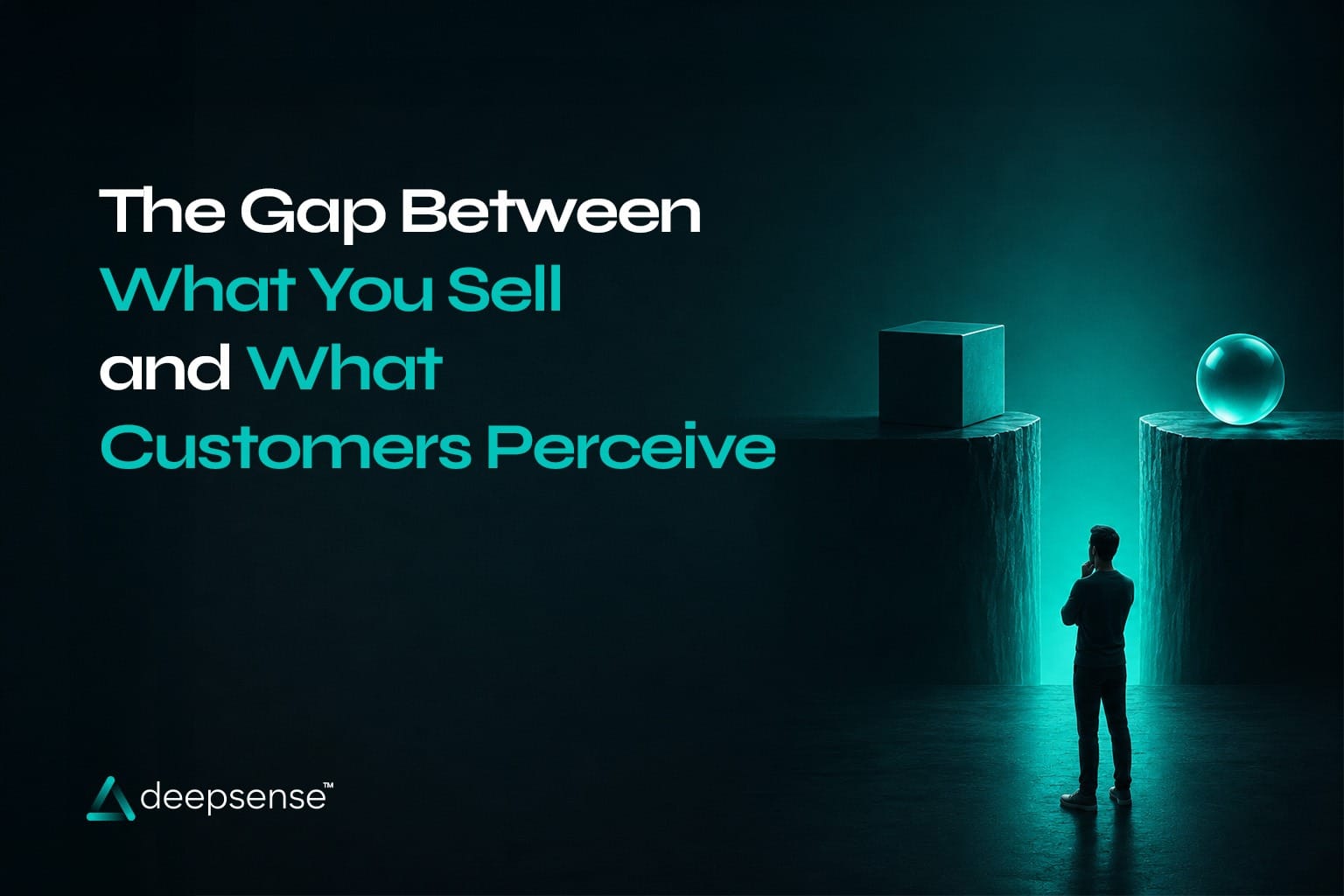
This is the hidden gap between what a business sells and what customers believe they are buying.
And in many cases, that gap determines whether a customer chooses your brand or a competitor.
Understanding brand perception is one of the most important aspects of modern marketing because customers don’t make decisions based on reality alone.
They make decisions based on perception.
What Is Brand Perception?
Brand perception is the collection of thoughts, beliefs, emotions, and assumptions customers have about a brand.
It is not what a company says about itself.
It is what customers believe about the company.
For example:
A brand may position itself as:
- premium,
- trustworthy,
- innovative,
- customer-focused.
But customers may perceive it as:
- expensive,
- confusing,
- generic,
- unreliable.
The perception matters more than the intention.
Because customers buy based on what they believe.
The Biggest Marketing Mistake Businesses Make
Many businesses focus heavily on their products and services.
They invest in:
- quality,
- operations,
- features,
- technology.
But they spend very little time understanding customer perception.
As a result, a disconnect develops.
The business sees one thing.
The customer sees something else.
And that disconnect affects buying decisions.
Why Perception Matters More Than Features
Imagine two coffee shops selling similar coffee.
One is perceived as:
- premium,
- trendy,
- high quality.
The other is perceived as:
- average,
- forgettable,
- ordinary.
Even if the product quality is similar, customers often prefer the first option.
Why?
Because perception influences value.
People don’t simply buy products.
They buy what those products represent.
The Psychology Behind Customer Decisions
A key principle of customer psychology is that humans simplify decisions.
We rarely analyze every option objectively.
Instead, we rely on shortcuts.
Customers ask themselves:
- Which brand feels trustworthy?
- Which brand appears credible?
- Which brand seems right for me?
These perceptions help reduce uncertainty.
And uncertainty is one of the biggest barriers to purchasing.
What Creates Brand Perception?
Customers form opinions through every interaction they have with a brand.
This includes:
Website Experience
A slow or outdated website can make a company seem less professional.
Social Media Presence
Inconsistent content can weaken credibility.
Customer Reviews
Reviews heavily influence trust and expectations.
Visual Identity
Design affects perceived quality.
Messaging
The way a brand communicates shapes customer understanding.
This is why perception is influenced by much more than the product itself.
The Role of Brand Positioning
A strong brand positioning strategy helps control how customers perceive a business.
Positioning answers:
“What do we want customers to associate with our brand?”
Without clear positioning, customers create their own assumptions.
And those assumptions may not align with the company’s intentions.
When Brand Messaging Creates Confusion
Many businesses accidentally create mixed signals.
For example:
A company wants to be perceived as premium.
But its messaging focuses heavily on discounts.
Or a business wants to appear innovative.
But its communication feels outdated.
This inconsistency weakens brand messaging strategy.
Customers struggle to understand what the brand truly stands for.
Why Customers Buy Perceived Value
One of the most powerful concepts in marketing is perceived value.
Customers don’t evaluate value purely based on features.
They evaluate value based on:
- expectations,
- trust,
- emotions,
- experiences,
- reputation.
This explains why two similar products can command vastly different prices.
Perception changes value.
The Customer Perception Gap
The perception gap occurs when:
What the Business Thinks
“We provide exceptional customer service.”
What Customers Experience
“Responses take days.”
What the Business Thinks
“We are industry experts.”
What Customers Experience
“Our content feels generic.”
What the Business Thinks
“We are premium.”
What Customers Experience
“The brand looks low-cost.”
These gaps create friction.
And friction reduces conversions.
Why Good Products Often Struggle
Many businesses assume product quality alone guarantees success.
Unfortunately, customers rarely experience quality before purchasing.
Instead, they judge based on signals.
These signals include:
- branding,
- reviews,
- messaging,
- reputation,
- recommendations.
This is why excellent products can struggle if perception is weak.
And why average products sometimes outperform stronger competitors.
The Connection Between Marketing Communication and Perception
Every message a brand publishes contributes to perception.
Effective marketing communication helps customers understand:
- who the brand serves,
- what problem it solves,
- why it is different,
- why it can be trusted.
Weak communication leaves room for confusion.
And confusion rarely leads to sales.
How Customer Decision Making Really Works
Many businesses assume customers make purely logical decisions.
In reality, customer decision making is influenced by both logic and emotion.
Customers often ask:
- Does this brand feel credible?
- Do I trust them?
- Does this fit my needs?
- Do people like me choose this brand?
These questions are perception-based.
Not feature-based.
Signs Your Brand Has a Perception Problem
You may have a perception gap if:
Customers frequently compare you to cheaper competitors.
Prospects don’t understand your value.
Leads ask basic questions your marketing should answer.
Website traffic grows but conversions remain low.
Customers describe your brand differently than you intended.
These are often indicators that perception and positioning are misaligned.
How to Improve Brand Perception
The first step is understanding current perceptions.
Ask customers:
- Why did you choose us?
- How would you describe our brand?
- What concerns did you have before buying?
Their answers reveal how the market actually sees your business.
Not how you hope they see it.
Aligning Messaging With Reality
Strong brands ensure that:
Positioning
What they want to be known for.
Matches
Messaging
What they communicate.
Matches
Experience
What customers actually receive.
When these three elements align, trust increases.
The Importance of Brand Image Management
Effective brand image management is not about controlling every opinion.
It’s about consistently reinforcing the right perceptions.
This requires:
- clear messaging,
- strong customer experiences,
- consistent branding,
- authentic communication.
Perception develops over time through repetition.
The Future of Branding in 2026
As competition increases and consumers gain access to more information, perception will become even more important.
Customers are no longer comparing products alone.
They’re comparing:
- trust,
- reputation,
- expertise,
- credibility,
- customer experiences.
The brands that manage perception effectively will have a significant advantage.
Questions Every Business Should Ask
Before launching your next campaign, ask:
- How do customers currently perceive us?
- Is that perception accurate?
- Does our messaging reinforce our positioning?
- What signals are shaping customer opinions?
The answers often reveal opportunities for growth.
Final Takeaway
Businesses don’t sell products.
They sell perceptions of products.
Customers don’t buy what you believe you’re offering.
They buy what they believe they’re getting.
That’s why brand perception has such a powerful influence on success.
The strongest brands work to align:
customer perception
brand positioning strategy
brand messaging strategy
customer experience
Because when perception matches reality, trust grows.
And when trust grows, customers choose your brand with confidence.
The gap between what you sell and what customers perceive may be invisible.
But it can be the difference between being considered and being chosen.
FAQs
1. What is brand perception?
Brand perception is the way customers think, feel, and form opinions about a business based on their experiences, interactions, and assumptions.
2. Why is customer perception important in marketing?
Customer perception influences trust, buying decisions, brand preference, and how customers evaluate the value of products and services.
3. How does brand positioning affect perception?
A strong brand positioning strategy helps shape how customers view a brand and differentiates it from competitors in the market.
4. What causes a gap between brand perception and reality?
This gap often occurs when messaging, customer experience, branding, or service quality fail to align with the company’s intended positioning.
5. How can businesses improve brand perception?
Businesses can improve perception through clear messaging, consistent branding, excellent customer experiences, reputation management, and customer feedback.
6. What role does customer psychology play in purchasing decisions?
Customer psychology influences how people interpret value, assess trust, compare brands, and make purchasing decisions, often using emotional and perception-based cues.