
Every day, customers scroll past:
- hundreds of ads,
- thousands of posts,
- endless brand messages.
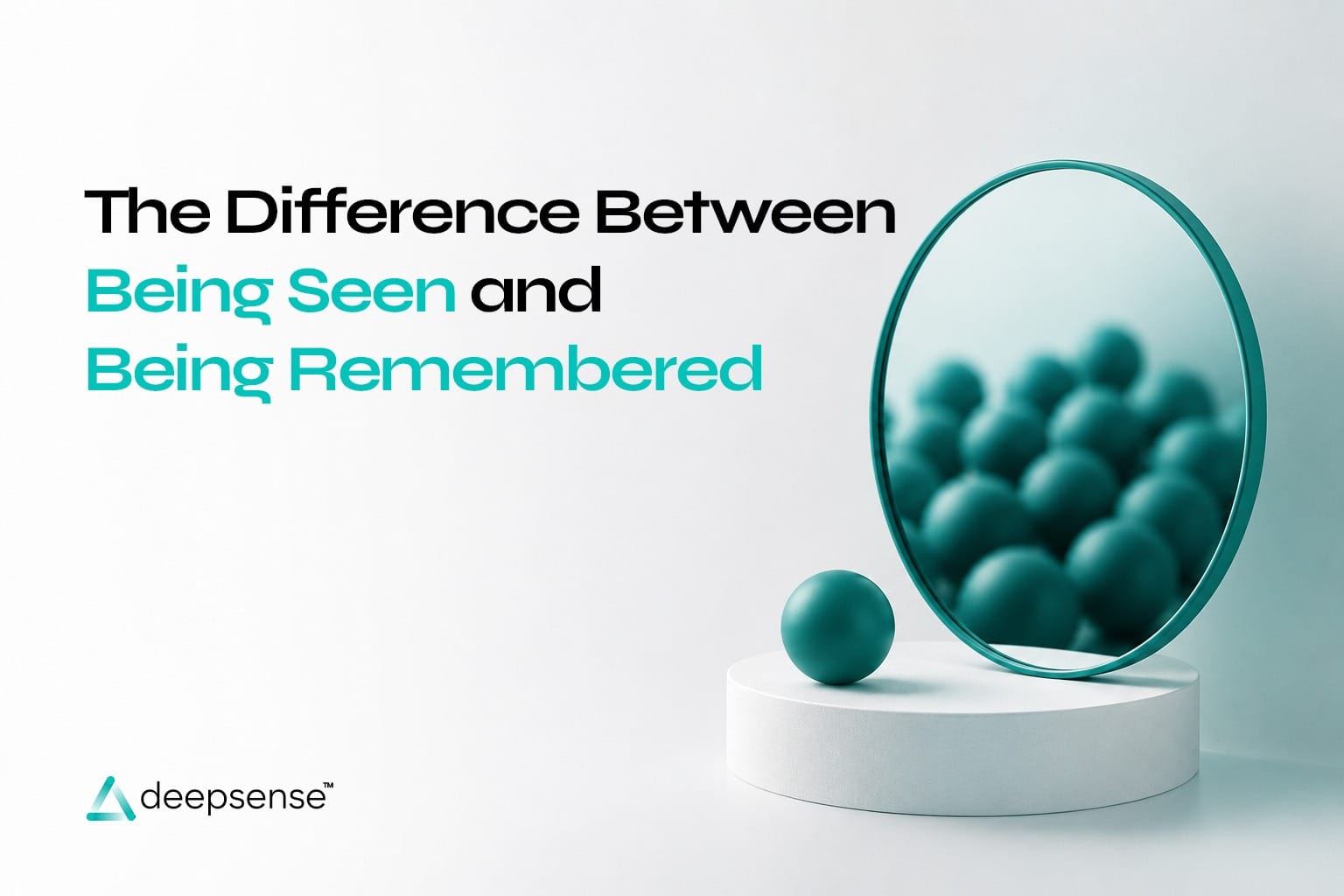
Most brands get seen.
Very few get remembered.
And that difference changes everything.
Because visibility may bring temporary attention.
But memory builds:
- trust,
- recognition,
- loyalty,
- and long-term growth.
This is why businesses today need more than reach.
They need a strong brand recall strategy.
In 2026, the brands winning consistently are not always:
- the loudest,
- the most viral,
- or the ones spending the most on ads.
They are the ones customers remember naturally when buying decisions happen.
First: What Does “Being Seen” Actually Mean?
Being seen means:
- your ad appeared,
- your post got impressions,
- people noticed your content temporarily.
Visibility creates exposure.
But exposure alone does not guarantee:
- memory,
- trust,
- or action.
A customer may see your content today…
and completely forget your brand tomorrow.
That’s the weakness of visibility without recall.
What Does “Being Remembered” Mean?
Being remembered means:
your brand stays in the customer’s mind after the interaction ends.
This happens when people:
- recall your name later,
- associate you with a category,
- remember your messaging,
- think about your brand naturally.
That’s real branding power.
And it’s the foundation of customer memory marketing.
Why Most Brands Confuse Visibility with Branding
Many businesses assume:
high reach = strong branding.
Not necessarily.
A post can:
- go viral,
- gain thousands of likes,
- generate huge impressions
yet create almost zero long-term brand memory.
Why?
Because attention is temporary.
Memory requires:
- repetition,
- emotional connection,
- consistency,
- strategic positioning.
This is the key difference between brand visibility vs brand recall.
The Problem With “Seen But Forgotten” Marketing
Modern digital platforms reward:
- fast content,
- trends,
- short attention spikes,
- viral formats.
So many brands optimize only for:
- clicks,
- reach,
- impressions.
But customers often remember:
the trend
not:
the brand behind it.
This creates a dangerous illusion of growth.
Because visibility without memory rarely compounds.
Why Brand Recall Matters More Than Reach
A customer who remembers your brand:
- converts faster,
- trusts you more,
- compares less,
- recommends you more easily.
That’s because familiarity reduces psychological friction.
When buying decisions happen,
people naturally choose:
brands they recognize.
This is why how to make people remember your brand matters more than temporary exposure.
The Psychology Behind Memory in Branding
Human memory works through patterns.
People remember things that are:
- repeated,
- emotionally charged,
- visually distinct,
- simple,
- consistent.
This means memorable brands are not random.
They are strategically reinforced over time.
That’s where strategic branding techniques become important.
Visibility Gets Attention. Recall Builds Trust.
Anyone can buy visibility through ads.
But trust comes from:
- repeated positive exposure,
- familiarity,
- recognizable identity,
- emotional consistency.
This is why some smaller brands outperform larger competitors.
They may be seen less often—
but remembered more deeply.
Why Customers Forget Most Brands
Most brands become forgettable because they:
- sound generic,
- look identical to competitors,
- change messaging constantly,
- chase trends without identity,
- lack emotional positioning.
Customers don’t remember:
“another decent business.”
They remember:
- distinctive brands,
- emotionally relevant brands,
- consistently positioned brands.
How Memorable Brands Actually Win
Let’s break down what creates real memory.
1. Consistency Creates Recognition
Consistency is one of the strongest drivers of memory.
Strong brands repeat:
- visuals,
- messaging,
- tone,
- positioning,
- emotional themes.
This strengthens familiarity over time.
A powerful brand consistency strategy ensures customers instantly recognize the brand across platforms.
2. Simplicity Improves Recall
Complex brands are harder to remember.
The most memorable brands communicate:
- one clear identity,
- one core promise,
- one recognizable perception.
Clarity improves mental retention.
3. Emotional Branding Strengthens Memory
People remember feelings longer than information.
Brands become memorable when they create:
- emotional relatability,
- aspiration,
- trust,
- nostalgia,
- excitement,
- confidence.
Emotion deepens recall significantly.
4. Repetition Builds Mental Availability
One interaction rarely creates memory.
Customers usually need repeated exposure before a brand becomes mentally familiar.
This is why:
- consistent content,
- repeated campaigns,
- omnichannel visibility,
matter so much.
5. Distinctive Identity Matters
Memorable brands often have:
- recognizable colors,
- signature style,
- unique tone,
- consistent design language.
Distinctiveness reduces confusion.
Audience Perception Shapes Brand Memory
People remember brands based on:
what they associate them with.
This is called audience perception strategy.
For example:
- premium,
- affordable,
- reliable,
- trendy,
- innovative,
- beginner-friendly.
Strong brands intentionally shape this perception repeatedly.
The Hidden Cost of Forgettable Marketing
When customers forget your brand:
- ad costs increase,
- acquisition becomes harder,
- trust weakens,
- conversions slow down.
Because every campaign starts from zero awareness again.
Memorable brands compound growth faster because:
recognition already exists.
Social Media Visibility Is Not Enough
Many businesses today are:
highly active…
but not memorable.
Posting daily does not automatically build recall.
If content lacks:
- strategic identity,
- emotional consistency,
- recognizable positioning,
customers simply consume and move on.
That’s the challenge of modern digital marketing.
Memorable Brand Marketing in 2026
The internet is becoming increasingly crowded with:
- AI-generated content,
- repetitive trends,
- short-form overload,
- attention competition.
So memory is becoming more valuable than impressions.
This is why memorable brand marketing is becoming a major competitive advantage.
The brands winning long-term are not simply:
the most visible.
They are:
the easiest to remember.
The Smartest Branding Question to Ask
Most businesses ask:
“How do we get more reach?”
A smarter question is:
“What will customers actually remember about us later?”
That question changes:
- content strategy,
- positioning,
- design,
- messaging,
- communication consistency.
A Simple Test for Brand Recall
Ask yourself:
If someone sees your content today…
will they still remember:
- your brand name,
- your category,
- your message,
a week later?
If not,
visibility alone is not enough.
Final Takeaway
Being seen creates temporary awareness.
Being remembered creates long-term business value.
That’s the real difference between:
- attention,
- and branding.
Because customers rarely buy from brands they instantly forget.
The brands that scale strongest are the ones that consistently build:
memory
familiarity
emotional connection
recognizable identity
That’s why a strong brand recall strategy matters more than ever in 2026.
In a world full of endless scrolling,
the real winners are not the brands people briefly notice…
They’re the brands people remember later.
FAQs
1. What is the difference between brand visibility and brand recall?
Brand visibility means people see your brand, while brand recall means people remember your brand later when making decisions.
2. Why is brand recall important in marketing?
Brand recall improves trust, recognition, loyalty, conversions, and long-term customer relationships by keeping the brand memorable.
3. How can businesses make people remember their brand?
Businesses can improve recall through consistency, emotional branding, repeated exposure, distinctive identity, and clear positioning.
4. What is customer memory marketing?
Customer memory marketing focuses on creating emotional and repeated brand experiences that stay in customers’ minds over time.
5. Why do many brands get seen but forgotten?
Brands become forgettable when they lack consistency, emotional connection, differentiation, and clear audience perception strategies.