
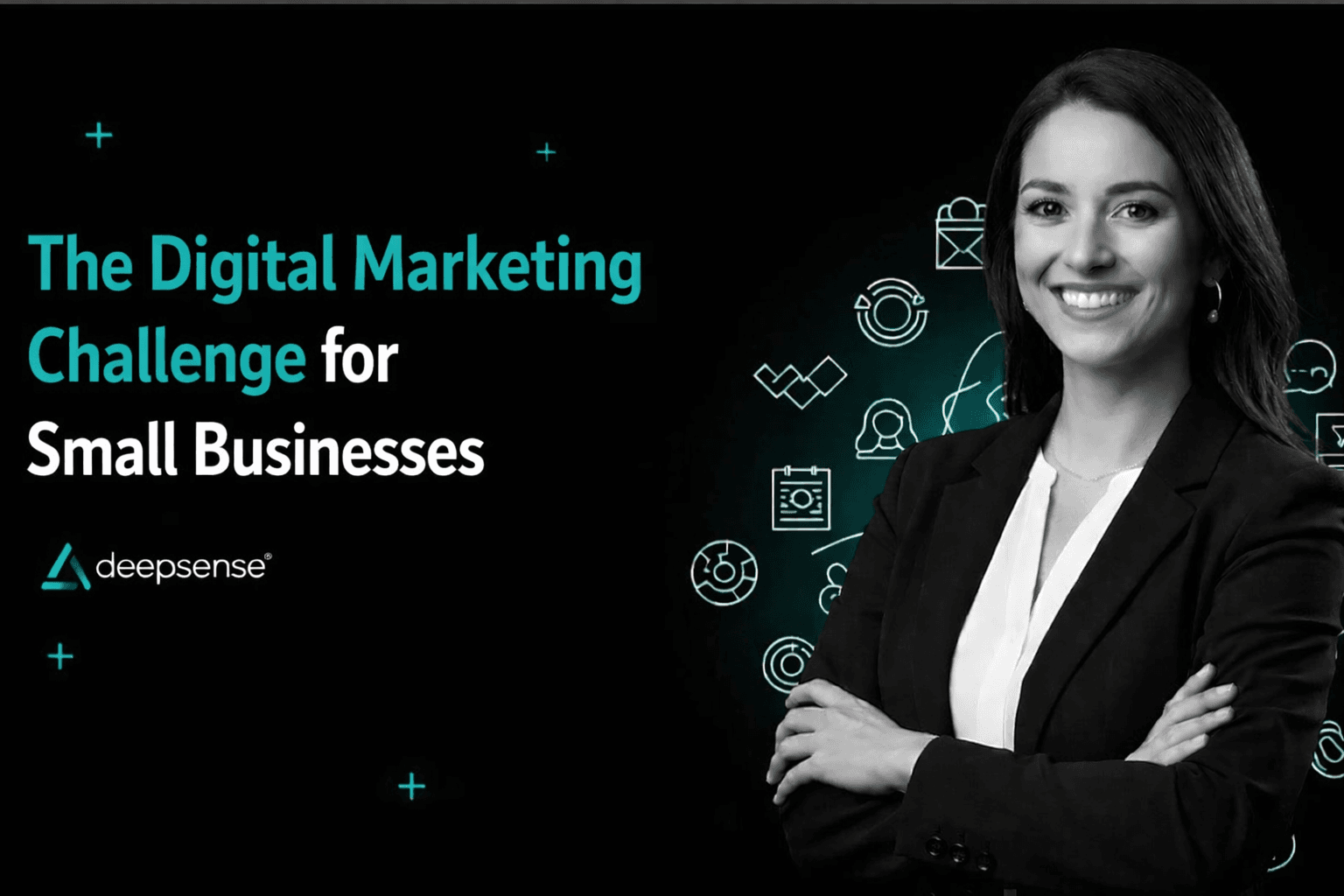
The Digital Marketing Challenge for Small Businesses
- A significant percentage of small businesses (often cited as 90%) struggle with effective digital marketing, highlighting a real and common difficulty.
- The digital landscape has evolved rapidly from basic websites to complex AI-powered features, making it challenging for small businesses, often run by individuals with multiple responsibilities and limited budgets, to keep pace.
Top 10 Digital Marketing Traps and How to Avoid Them
- “No Plan, Just Do It” Approach:
- Problem: Jumping into digital marketing without a clear strategy leads to disjointed campaigns, inconsistent messages, and misaligned goals.
- Solution: Implement SMART goals (Specific, Measurable, Achievable, Relevant, Time-bound) and conduct thorough market research to define the target audience.
- Trying to Be Everything to Everyone:
- Problem: Attempting to appeal to a universal audience dilutes the message and makes the business invisible.
- Solution: Create detailed customer personas to identify the ideal client, their interests, and pain points, and tailor messaging and platform choices accordingly.
- Playing Digital Hide-and-Seek (Without Being Found):
- Problem: Websites not optimized for search engines are difficult to find, akin to a shop in a dark alley. Overlooked or outdated SEO practices are common.
- Solution: Optimize website content, meta descriptions, and title tags with relevant keywords. Implement local SEO, claim Google Business Profile, ensure mobile-friendliness and fast loading times, and regularly update with fresh content.
- Brand Identity Crisis:
- Problem: Inconsistent branding across different digital channels (logos, color schemes, tone of voice) confuses customers and weakens brand identity.
- Solution: Develop a brand style guide and ensure uniformity in message, visuals, and tone across all digital platforms.
- The “Set It and Forget It” Myth:
- Problem: Launching campaigns and ignoring performance prevents understanding what works and what doesn’t.
- Solution: Track Key Performance Indicators (KPIs) using tools like Google Analytics. Monitor engagement rates, click-throughs, and conversions, and adjust strategy based on data.
- Content is King, But You’re Barely a Jester:
- Problem: Infrequent or generic content fails to build trust or boost search rankings, leading to low engagement.
- Solution: Develop a content strategy that serves the audience with helpful “how-tos,” engaging videos, and consistent posting via a content calendar.
- Social Media Overload (or Underload):
- Problem: Spreading too thin across too many platforms or having inactive accounts leads to ineffective social media presence.
- Solution: Choose one or two platforms where the ideal customers are active. Post regularly, share valuable content, and actively engage with followers.
- All Eggs in One Digital Basket:
- Problem: Relying solely on one marketing channel makes businesses vulnerable to algorithm changes or platform shifts.
- Solution: Diversify efforts by mixing email marketing, SEO, social media, and content to reach a broader audience and mitigate risks.
- The Mobile Maze (Your Website on a Phone):
- Problem: Websites that are clunky, hard to navigate, or slow to load on mobile devices will deter users, as most browsing occurs on phones.
- Solution: Ensure the website is responsive and fast-loading on all devices. A functional mobile site is crucial.
- Throwing Money at Ads (Without a Paddle):
- Problem: Paid digital ads can be ineffective if targeting is poor, performance isn’t tracked, leading to wasted expenditure.
- Solution: Develop a smart ad strategy that includes precise targeting, testing ad copy, monitoring performance metrics, and refining campaigns for optimal conversions.
The Evolving Digital Landscape and AI’s Impact
- Google’s SERPs are evolving, with AI Overviews (powered by models like Gemini 3) providing direct answers.
- This shift presents an opportunity for businesses to become the source of information for AI summaries.
- LLM Optimization is crucial: content must be clear, well-structured, and easily digestible for AI models.
- Google’s E-E-A-T framework (Experience, Expertise, Authoritativeness, Trustworthiness) is paramount. Google prioritizes content demonstrating genuine knowledge and reliability.
- Small businesses can leverage their real-world experience, authenticity, and niche knowledge to build trust with both human customers and AI.
Digital Marketing Survival Guide for Small Businesses
- Strategy First: Develop a roadmap with clear, measurable goals.
- Know Your People: Invest in understanding ideal customers through detailed personas.
- Be a Digital Scout: Continuously learn and adapt to the changing digital environment.
- Content That Serves: Create valuable content that educates, entertains, and solves problems.
- Measure Everything: Use data to guide decisions and track ROI.
- Embrace E-E-A-T: Showcase expertise and experience to build credibility.
- Look to the Future (AI is Your Friend): Structure content clearly and provide concise answers to be featured by AI.
Frequently Asked Questions (FAQs)
- Q1: How much budget should a small business allocate for digital marketing?
A1: Allocate 7-10% of gross revenue, with over 50% to digital efforts. Startups may need more initially. Focus on measurable ROI.
- Q2: How long does it take to see results from digital marketing efforts?
A2: Paid advertising can yield results in weeks to months. Organic strategies like SEO and content marketing typically take 3-6 months for significant traction, offering sustainable growth. Consistency is key.
- Q3: What is the most important digital marketing channel for a small business?
A3: The most important channel is where ideal customers spend time and where value can be communicated effectively. A strong website with local SEO and presence on relevant social media platforms are foundational. Email marketing is also effective.
- Q4: I’m a small business owner with limited time. How can I manage digital marketing effectively?
A4: Prioritize with a clear strategy, focus on key channels, automate where possible (scheduling, email sequences), repurpose content, and consider outsourcing. Consistency over perfection is vital.
- Q5: What is E-E-A-T and why is it important for small businesses?
A5: E-E-A-T (Experience, Expertise, Authoritativeness, Trustworthiness) is Google’s framework for evaluating content quality. It’s vital for small businesses to showcase their unique real-world experience and niche knowledge, building credibility with search engines and customers, and improving search rankings.
Conclusion
Small business digital marketing requires consistency, smart decisions, and continuous learning. By avoiding common pitfalls and adopting a strategic, customer-focused approach, small businesses can thrive in the digital landscape.